
Sustainable features have become increasingly common in modern homes, and many owners wonder how these upgrades perform during a professional inspection. Energy-efficient and eco-conscious improvements can certainly enhance a property’s appeal, but like any component of a house, they must be installed correctly and maintained well. Below is a practical look at how green upgrades are typically evaluated and what homeowners should know before listing or renovating.
Energy-Efficient Windows & Doors
High-performance windows and insulated exterior doors are popular upgrades that help reduce heating and cooling loads. During an inspection, the focus isn’t on the brand or efficiency rating alone—it’s on condition and installation. Drafts, improper flashing, moisture intrusion, and damaged seals can all undermine their performance. When properly installed, these features generally score well and may even help lessen concerns about insulation or aging HVAC systems.
Solar Panels and Renewable Systems
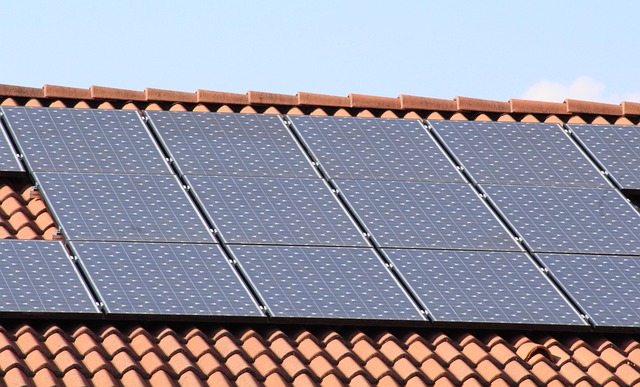
Solar panel systems are valuable additions, but they come with unique inspection considerations. Inspectors do not evaluate energy production or contractual agreements, but they do assess roof integrity around mounting points, visible wiring, inverters, and the overall condition of the roof beneath the array. A secure system with no moisture intrusion or improper wiring is a strong asset. However, if the roof is aging or shows signs of stress near the mounts, that will be noted.
High-Efficiency HVAC Units
Modern heat pumps, variable-speed air handlers, and ENERGY STAR® rated systems often perform well during inspections. The key factors inspected include age, installation, ductwork condition, and overall operation. Even efficient units can be flagged if airflow is restricted, ducts are leaking, or condensation drains are improperly configured. Routine servicing and clean filters go a long way toward a positive inspection outcome.
Tankless Water Heaters
Tankless units are known for conserving energy by heating water only when needed. Inspectors typically check for proper venting, gas supply size, electrical requirements, and safe installation clearances. When installed to manufacturer specifications, these systems usually receive favorable notes. Incorrect venting or undersized gas lines, however, can lead to safety concerns regardless of the energy savings the unit provides.
Insulation and Air Sealing
Spray foam, cellulose, and recycled insulation materials can greatly improve a home’s efficiency. Inspections focus on coverage consistency, ventilation balance, and any signs of trapped moisture. Over-sealed attics, for example, can cause ventilation issues if intake and exhaust pathways are reduced. Balanced airflow and proper installation are critical to long-term performance and safety.
Final Thoughts
Eco-friendly upgrades can be strong selling points, but their value hinges on proper installation and maintenance. A thorough inspection ensures these improvements deliver the comfort, efficiency, and durability homeowners expect. When thoughtfully implemented, sustainable features not only reduce environmental impact—they also contribute to a safer, more resilient home.
Recent Comments