
A broken or cracked electrical outlet cover may seem like a minor cosmetic issue, especially when compared to larger home maintenance concerns. However, overlooking this small component can introduce real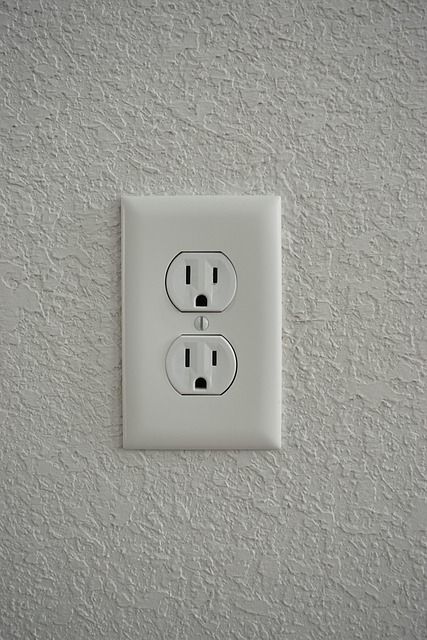 safety risks and signal underlying problems that deserve attention. Outlet covers are designed to protect people and property, and when they are damaged, that protection is compromised.
Why Outlet Covers Matter
Outlet covers serve several important functions. First, they act as a physical barrier between occupants and live electrical components. Even when an outlet appears intact, internal wiring carries current that can cause shock or injury if touched. A cracked or missing cover increases the likelihood of accidental contact, particularly for children, pets, or anyone moving furniture or plugging in cords.
Second, outlet covers help prevent foreign objects from entering the outlet box. Dust, debris, and even insects can find their way inside through damaged covers. Over time, this intrusion can contribute to overheating, corrosion, or electrical arcing—conditions that raise the risk of fire.
Hidden Hazards Behind a Simple Crack
A damaged outlet cover is sometimes more than just a broken piece of plastic. It can be an indicator of loose outlets, improper installation, or physical stress on the electrical box. For example, a cover that frequently cracks may point to an outlet that is not securely fastened, allowing movement each time a cord is inserted or removed. That movement can loosen wiring connections behind the wall, creating a more serious hazard out of sight.
In some cases, cracked covers result from heat buildup. Discoloration, warping, or brittle plastic can suggest that the outlet has been overheating, possibly due to overloading or faulty wiring. Ignoring these signs allows the underlying issue to persist unchecked.
Fire and Shock Risks
Electrical fires often start in places that are rarely noticed, including outlets and switches. A compromised cover does little to contain sparks or heat if a fault occurs. Additionally, sharp edges from broken covers can damage cords over time, exposing wires and increasing the chance of shock or short circuits.
A Simple Fix With Real Benefits
Replacing an outlet cover is one of the easiest and least expensive home maintenance tasks. Standard covers are widely available, and installation typically requires only a screwdriver and a few minutes. In situations where the cover does not fit properly or continues to crack, further evaluation of the outlet itself is recommended.
The Bottom Line
Ignoring a broken or cracked outlet cover is not a good idea. What appears to be a small, purely cosmetic defect can create safety concerns and conceal more serious electrical issues. Addressing it promptly helps reduce the risk of injury, fire, and costly repairs down the road. When it comes to electrical safety, even the smallest details deserve attention.
Recent Comments