
Walk into a home that’s been around for a while, and the scent is usually the first thing noticed—before the flooring, the fixtures, or even the layout. It’s often described as “musty,” “stale,” or simply “old.” But that smell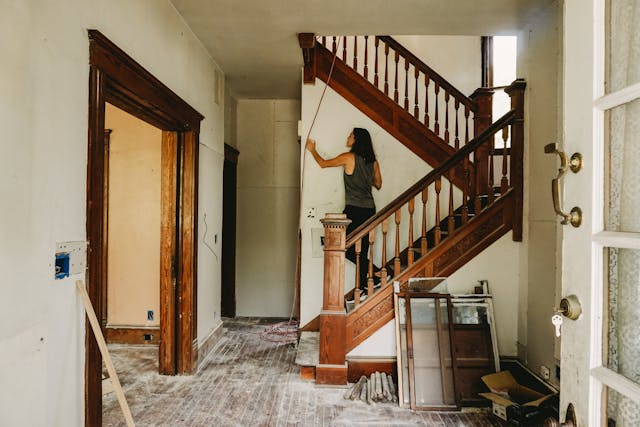 isn’t one thing at all. It’s a layered mixture of chemistry, moisture history, and time working quietly in the background.
The scent of time: what the nose actually picks up
What people call an “old house smell” is really a blend of airborne compounds. These include volatile organic compounds (VOCs) released slowly from aging materials like wood, adhesives, paints, and textiles. As these materials break down, they emit faint chemical signatures that accumulate in enclosed spaces.
Add in microscopic dust particles, fabric fibers, and skin cells trapped in carpets and upholstery, and you get a complex aroma that the brain interprets as “stale” or “aged,” even when nothing is visibly dirty.
Moisture is the real storyteller
If there’s a single driving force behind that familiar scent, it’s moisture. Even minor humidity fluctuations over years can allow microbial growth in hidden areas—behind walls, under flooring, or inside insulation.
Mold and mildew don’t always appear as visible patches. Instead, they release microbial volatile organic compounds (MVOCs), which are responsible for that earthy, slightly sour odor often associated with older interiors. Once these compounds settle in porous materials, they can linger long after the original moisture issue has faded.
Hidden materials doing quiet breakdown
Many construction materials slowly change over time. Wood can oxidize, drywall paper can degrade, and older synthetic carpets can release residual chemicals as they age. Even furniture finishes and adhesives contribute faint odors as they gradually decompose.
In some cases, older homes may also retain traces of past occupants’ habits—cooking oils absorbed into kitchen surfaces, tobacco residue embedded in walls, or cleaning products that reacted with materials and left behind a scent imprint.
Air that has stopped moving
A home that doesn’t “breathe” well develops its own signature smell. Poor ventilation allows airborne particles and humidity to settle rather than circulate out. Over time, dust binds with moisture, creating a stagnant air profile that feels heavier and smells slightly dull or earthy.
HVAC systems that are aging or under-maintained can also circulate odors repeatedly, reinforcing that closed-in feeling rather than refreshing the air.
When plumbing joins the conversation
Sometimes the scent isn’t coming from the structure at all, but from the plumbing system. Venting problems, dried-out P-traps, or slow leaks can allow sewer gases to escape into living spaces. These gases are subtle but unmistakable once noticed, often blending with other odors to intensify the overall effect.
Why the smell lingers and how it’s managed
The persistence of this scent comes down to absorption. Porous materials like wood, drywall, and fabric act almost like sponges for airborne compounds. Once absorbed, they release those odors slowly over time.
Addressing it usually involves identifying moisture sources, improving ventilation, deep cleaning porous surfaces, and sometimes replacing materials that have reached their saturation point. When the underlying causes are handled, the “old house smell” often fades surprisingly quickly—revealing that it was never one smell at all, but many layers quietly building over time.
Recent Comments