
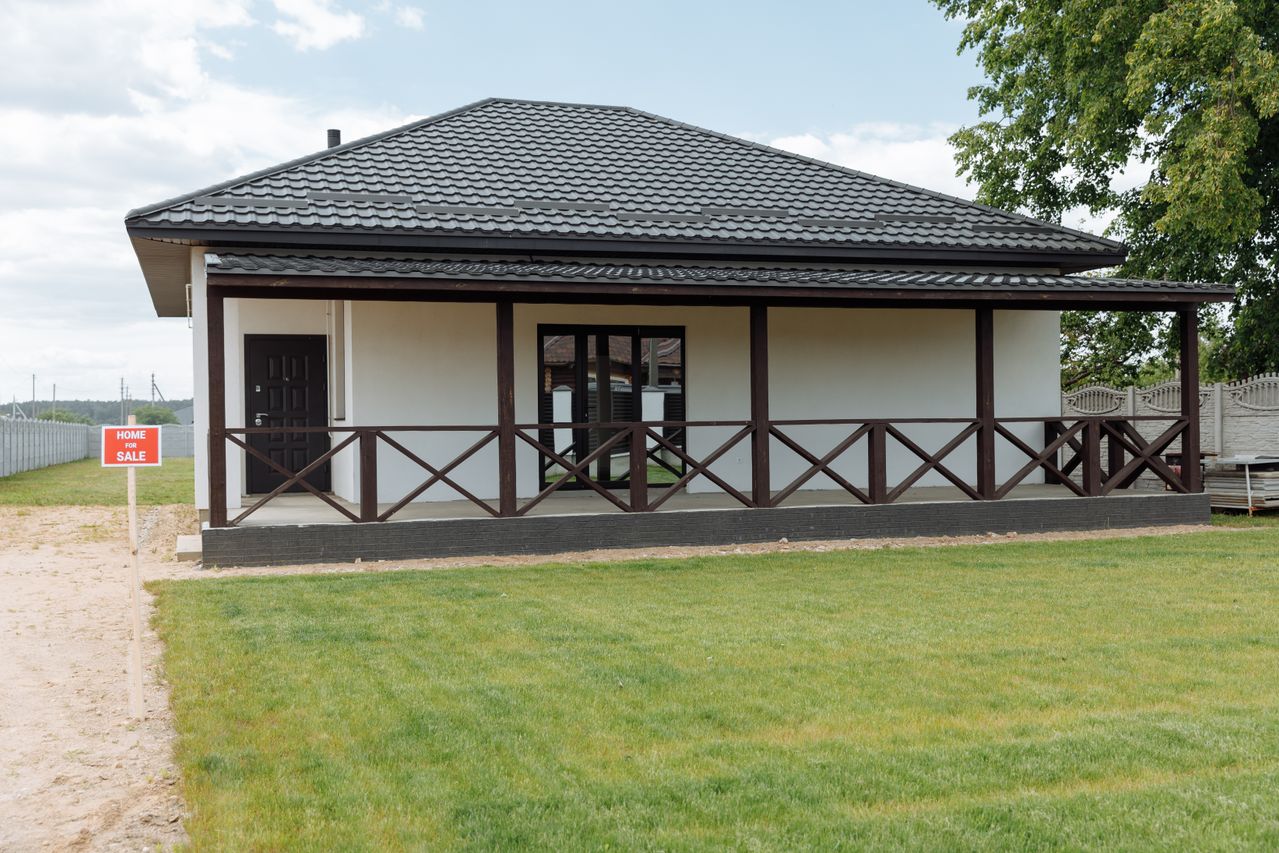
A manufactured home may be built in a factory, but its long-term performance depends on what happens after it arrives on site.
Manufactured homes offer an appealing combination of affordability, efficiency, and modern comfort. However, even a home built under controlled factory conditions needs a thorough inspection once it has been delivered, installed, and connected to its site.
An in-situ inspection, meaning an inspection performed with the home in its installed location, helps identify potential concerns that may not be apparent during manufacturing or delivery. For homebuyers in Cypress, Texas, it is an important step toward making an informed investment.
What Makes an In-Situ Inspection Different?
Factory construction allows many components to be assembled in a controlled environment. However, transportation, placement, site preparation, and installation introduce additional variables.
A home may look perfectly finished while concealing problems with its foundation or support system, utility connections, drainage, or building envelope. Inspecting the property in its installed condition allows a qualified home inspector to evaluate the home as it actually exists on the site.
Key Areas an Inspector Evaluates
1. Foundation and Support System
The inspector looks for visible signs of inadequate support, settlement, movement, or damage. Proper installation is essential to maintaining the home’s stability and performance.
2. Roof, Exterior, and Weather Protection
Roofing materials, siding, windows, doors, and exterior penetrations are examined for visible defects that could allow water intrusion. In Southeast Texas, heavy rainfall and humid conditions make moisture management particularly important.
3. Plumbing, Electrical, and HVAC Systems
Connections made during installation deserve careful attention. The inspector evaluates accessible plumbing, electrical components, heating and cooling equipment, and related systems for visible deficiencies and signs of improper operation.
4. Interior Finishes and Structural Indicators
Uneven floors, sticking doors, cracked finishes, or gaps around openings may indicate installation concerns or movement. These symptoms do not automatically establish a structural defect, but they warrant appropriate evaluation.
5. Site Drainage and Moisture Control
Water should drain away from the home rather than collect around its foundation or support system. The inspector assesses visible grading and drainage conditions that could contribute to moisture-related problems.
Why Timing Matters
An inspection before purchasing a manufactured home can help identify concerns before closing, allowing buyers to discuss repairs, seek specialist evaluations, or reconsider their options. For recently installed homes, an inspection may also help identify issues while installation-related concerns can still be addressed with the responsible parties.
Keep in mind that a standard home inspection is a visual, non-invasive assessment of accessible components. It does not guarantee that every defect will be discovered, and it does not replace specialized inspections or required installation approvals.
Make an Informed Decision
A manufactured home deserves the same thoughtful attention as any other significant property purchase. An in-situ inspection provides valuable insight into its installed condition, helping buyers understand potential risks and plan for future maintenance.
Before committing to a manufactured home in Cypress, TX, make sure the inspection covers more than appearances. Understanding what lies beneath the surface can make all the difference in protecting your investment and enjoying greater confidence in your new home.
Recent Comments