
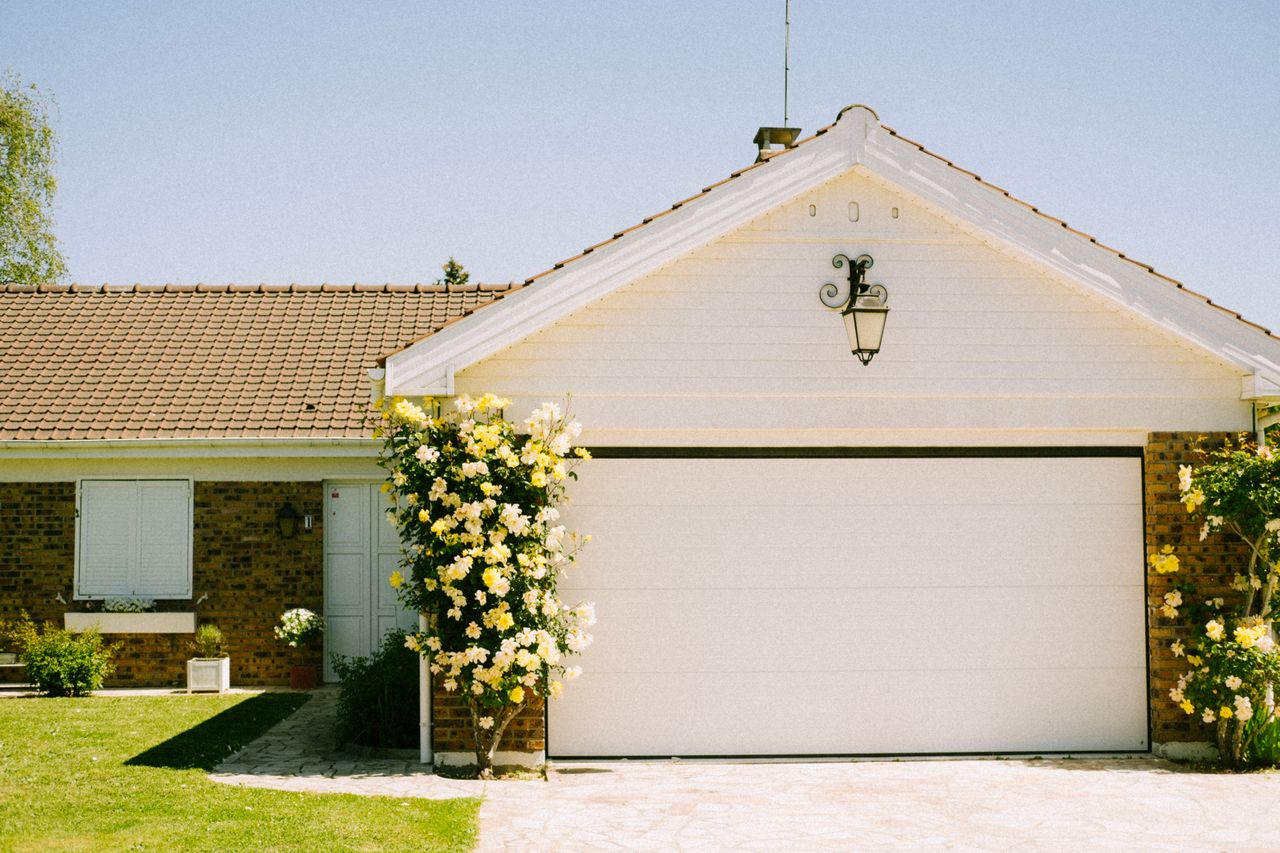
Your garage may be one of the busiest spaces in the home, but it is also easy to overlook during routine maintenance. Cars, tools, storage boxes, lawn equipment, and household chemicals can quickly turn a garage into a crowded space where small safety issues go unnoticed.
The good news? A basic garage safety inspection does not have to take long. Set aside 15–20 minutes, grab a flashlight, and walk through the space with a safety-focused eye.
1. Check the Garage Door
Start with the largest moving component in the garage. Look for damaged panels, loose hardware, bent tracks, or unusual gaps around the door.
Test the automatic opener and make sure the door reverses when its safety sensor detects an obstruction. The photo-eye sensors should also be clean, properly aligned, and securely mounted.
Never attempt to adjust garage door springs or other high-tension components yourself. These parts can cause serious injury and are best handled by a qualified professional.
2. Look at the Floor
Garage floors take plenty of abuse, but significant cracks, uneven areas, or unexplained water can deserve a closer look.
Pay particular attention to fresh stains or damp areas. Water may be coming from the garage door, plumbing, roof, or another source. Even a small recurring leak can eventually contribute to deterioration or unwanted moisture.
3. Inspect Walls and Ceilings
Take a quick look overhead and around the walls for water stains, damaged drywall, cracking, or signs of pests.
If the garage is attached to the home, the wall and ceiling separating it from living areas are especially important. They should not have obvious holes or unprotected openings that could compromise the separation between the garage and house.
4. Review Electrical Safety
Look for damaged cords, loose outlets, missing covers, and extension cords being used as permanent wiring.
Outlets in garages should have appropriate ground-fault protection. If you notice an outlet that appears damaged, loose, or improperly installed, have it evaluated rather than attempting a repair unless you are qualified to do so.
5. Keep Combustibles Under Control
Paint, gasoline, propane, pesticides, and other flammable products require careful storage. Keep them in suitable containers, away from ignition sources, and according to the manufacturer’s storage instructions.
Avoid storing piles of cardboard, paper, or other easily ignited materials directly beside appliances or equipment that produces heat.
6. Check for Clutter and Trip Hazards
A tidy garage is a safer garage. Keep walkways reasonably clear and make sure tools, ladders, bicycles, and storage containers cannot easily fall or block access.
If you have a water heater or other equipment in the garage, maintain the required clearance around it and keep stored items from interfering with its operation.
A Few Minutes Can Catch a Lot
A garage safety check is not a substitute for a professional inspection, but it can help homeowners spot obvious concerns before they become bigger problems.
The key is simple: look up, look down, check the door, pay attention to moisture and electrical conditions, and keep combustible materials and clutter under control.
If something looks damaged, unusual, or beyond your comfort level, don’t guess. Have the appropriate qualified professional take a closer look. A short inspection today can help keep one of the hardest-working spaces in the home safer tomorrow.
Recent Comments