
Wildfire seasons are getting longer, temperatures are climbing, and homeowners are thinking more seriously about how well their homes can stand up to fire. Building with fire-resistant materials is one of the most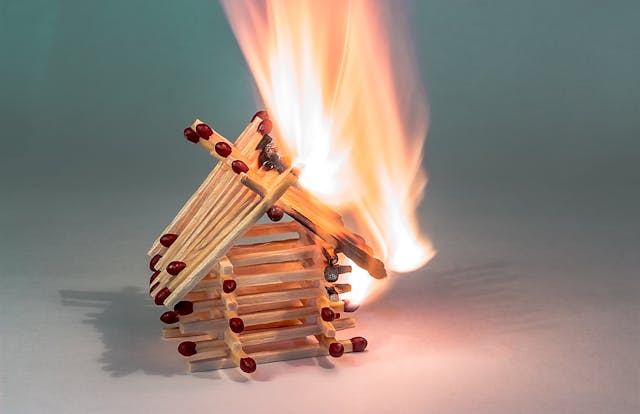 practical ways to reduce risk. The goal isn’t to create a house that can never burn—almost nothing is completely fireproof—but to build a structure that resists ignition long enough to protect the home and the people inside.
A well-planned approach starts with the structure itself and works outward.
Start with Fire-Resistant Structural Materials
The frame of the home sets the tone for how it will perform in extreme heat. Traditional wood framing is common, but it is also combustible. Many builders now consider alternatives such as steel framing, insulated concrete forms (ICFs), or concrete masonry units.
Concrete and masonry products do not ignite, and they hold structural integrity far longer when exposed to fire. Steel framing also resists combustion, though it must be properly protected because high heat can weaken exposed metal over time.
Another solid option is fire-rated gypsum sheathing, which adds an extra layer of protection to wall assemblies and slows the spread of flames between rooms.
Choose the Right Exterior Materials
Exterior surfaces are often the first part of a home exposed to flying embers during a wildfire. Using non-combustible siding dramatically lowers the chance of ignition.
Some dependable choices include:
-
Fiber cement siding
-
Brick or stone veneer
-
Stucco over metal lath
-
Concrete panels
Fiber cement is especially popular because it mimics the look of traditional wood siding while offering excellent fire resistance and durability.
Wood siding can still be used in some cases, but it should be treated with a fire-retardant product and maintained carefully over time.
Install a Fire-Resistant Roof
Roofs are one of the most vulnerable parts of a house during a fire event. Burning embers often land on the roof first. A Class A fire-rated roofing system offers the highest level of protection.
Common Class A roofing materials include:
-
Metal roofing
-
Clay or concrete tile
-
Slate
-
Certain composite shingles designed for fire resistance
Equally important is proper installation. Gaps, poorly sealed valleys, or exposed underlayment can allow embers to reach combustible materials underneath.
Windows and Vents Matter More Than You Think
Windows are another weak point in fire exposure. Standard single-pane glass can shatter quickly under extreme heat. Dual-pane tempered glass performs significantly better and slows the transfer of heat into the home.
Attic and crawlspace vents should also be covered with fine metal mesh screens. This simple step helps prevent wind-driven embers from entering the structure.
Don’t Forget the Surrounding Area
Fire-resistant construction works best when paired with smart landscaping. Keeping a defensible space around the home—free of dry brush, stacked firewood, or dense vegetation—reduces the available fuel near the structure.
Gravel paths, stone borders, and well-maintained lawns can all help create a buffer zone.
A Smarter Way to Build
Fire-resistant construction isn’t about one miracle material. It’s about layering multiple protective elements together: strong framing, non-combustible siding, durable roofing, and careful attention to small details like vents and windows.
When those pieces come together, the home becomes far more resilient. And in areas where fire risk is a real concern, that added resilience can make a meaningful difference when it matters most.
Recent Comments