
In many master-planned communities and established subdivisions in this area, homes may appear well-maintained while the systems supporting them quietly fall behind. Streets, storm drains, water lines, and sanitary sewers often age on a different timeline than the houses they serve. When municipal infrastructure deteriorates faster than the home itself, the property can be exposed to risks that are not always obvious at first glance.
Drainage and Flooding Concerns
One of the most common issues tied to aging infrastructure is inadequate drainage. Older stormwater systems were often designed for lower population density and less impervious surface area. As neighborhoods expand and roadways widen, original drainage capacity may no longer be sufficient. When heavy rain occurs, water can back up into streets, yards, and, in some cases, toward foundations. Persistent surface water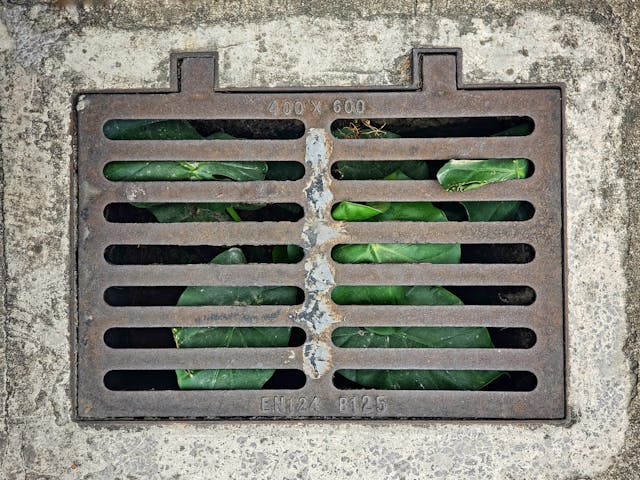 near a structure increases the likelihood of soil movement, foundation stress, and moisture intrusion.
Sewer Line Stress and Backups
Municipal sewer systems are typically designed to last several decades, but age, shifting soils, and root intrusion can compromise their integrity. When public sewer lines deteriorate, homes connected to them may experience slow drains, recurring backups, or sewer gas odors. Even when the private sewer lateral is in good condition, failures in the public system can still impact the property. These issues may not be constant, making them harder to detect until a significant blockage or overflow occurs.
Water Supply Line Degradation
Aging water mains can also affect individual properties. Corrosion, mineral buildup, or joint failures in older municipal water lines may lead to pressure fluctuations, discolored water, or unexpected service interruptions. Sudden pressure changes can stress interior plumbing components, shortening the lifespan of fixtures and valves inside the home. In some cases, leaks in public lines can saturate surrounding soils, contributing to settlement concerns near slabs and driveways.
Roadways, Elevation, and Access
Over time, roadway repairs and resurfacing can subtly change street elevations. If streets are raised without corresponding adjustments to drainage, water may be redirected toward adjacent lots. Additionally, deteriorating sidewalks, curbs, and gutters can signal broader infrastructure fatigue that may eventually affect access, safety, and curb appeal—factors that influence property value.
Long-Term Property Implications
When municipal infrastructure lags behind residential upkeep, the home may shoulder the consequences. Increased maintenance costs, moisture-related damage, and potential insurance concerns can follow. Awareness is key. Understanding how public systems interact with a property allows owners and buyers to make informed decisions, plan preventative measures, and recognize when an issue may originate beyond the lot line.
A well-built house can remain sound for decades, but it does not exist in isolation. The condition of the surrounding infrastructure plays a critical role in how that house performs over time.
Recent Comments