
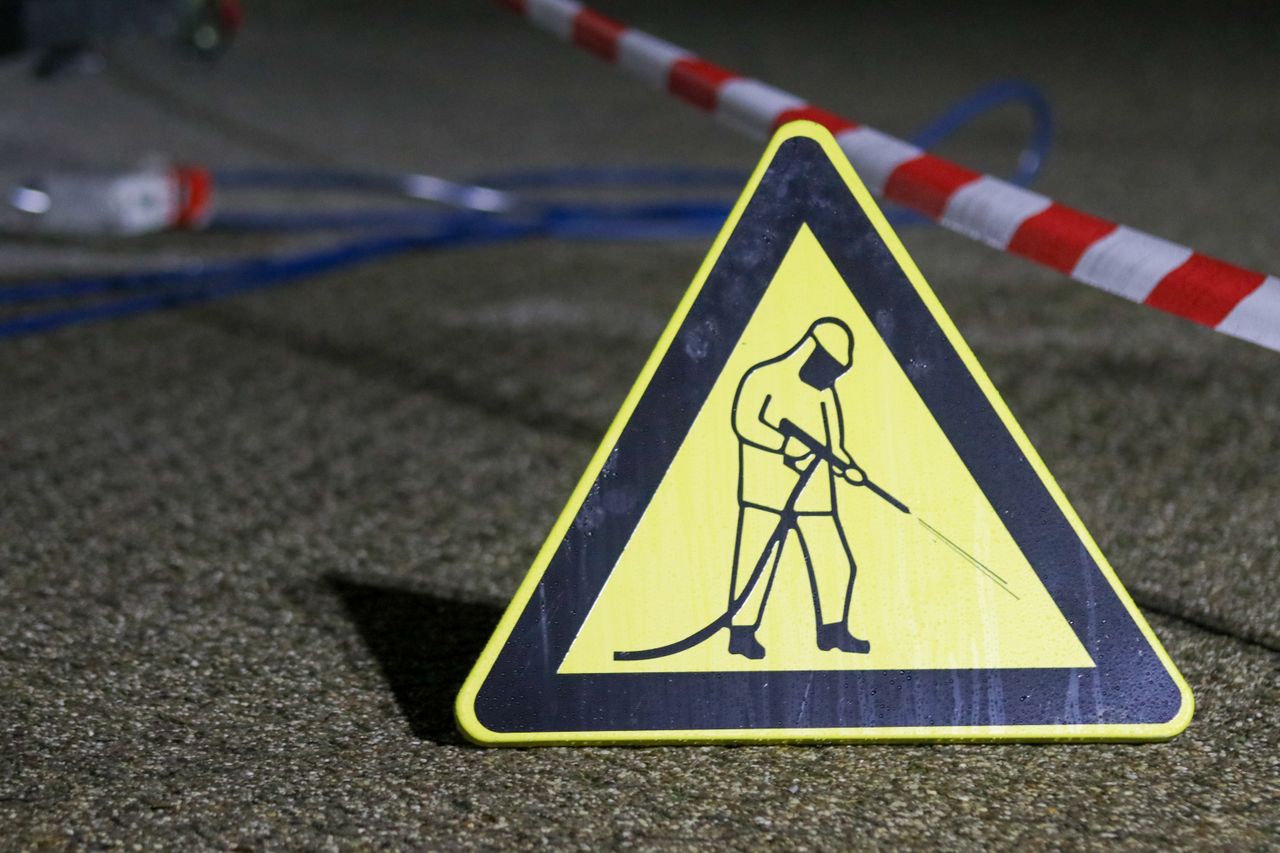
When a surface is covered in old paint, rust, grime, corrosion, or years of stubborn buildup, ordinary cleaning methods may not be enough. That is where abrasive blasting can come in handy.
Despite the industrial-sounding name, abrasive blasting is a straightforward concept: a stream of abrasive material is propelled against a surface at high speed to remove unwanted coatings or contaminants. Think of it as an extremely powerful form of surface preparation—but one that needs to be handled with care.
🧱 What Is Abrasive Blasting Used For?
Abrasive blasting has a wide range of applications around residential, commercial, and industrial properties. Depending on the material being treated and the blasting method used, it can help remove:
- Old paint and coatings
- Rust and corrosion
- Heavy dirt and grime
- Oxidation
- Scale and surface buildup
- Certain stains and residues
It is commonly used when preparing metal, concrete, brick, wood, and other surfaces for repainting, refinishing, repairs, or restoration.
There is more than one type of abrasive blasting, too. Traditional sandblasting is one familiar example, but modern methods may use materials such as crushed glass, mineral abrasives, or other media selected for the particular surface. Choosing the wrong abrasive—or using excessive pressure—can damage the very material being cleaned.
🏠 Is Abrasive Blasting Safe for a House?
Potentially, but it is definitely not a one-size-fits-all cleaning method.
A professional should consider the surface material, condition, age, surrounding areas, and the type of abrasive being used. For example, blasting an old, fragile surface can cause unnecessary damage, while aggressive blasting on masonry may remove more of the surface than intended.
There is also the issue of dust and debris. Proper containment, ventilation, and protective equipment are important, particularly when coatings or older building materials may contain hazardous substances.
🍄 Can Abrasive Blasting Remove Mold?
Generally, abrasive blasting is not the first choice for residential mold removal.
Blasting can physically remove mold-contaminated material from some surfaces, but it does not solve the underlying moisture problem. Mold growth is usually a symptom of excess moisture, such as a leak, condensation, poor drainage, or elevated humidity.
More importantly, blasting can disturb contaminated material and spread mold-containing dust if the work is not carefully controlled.
For typical household mold concerns, the better approach is to identify and correct the moisture source first, then have affected materials cleaned or removed using an appropriate remediation method. Porous materials that are extensively contaminated may need replacement rather than aggressive cleaning.
🔍 The Bottom Line
Abrasive blasting is a powerful tool with plenty of legitimate uses, particularly for surface preparation, rust removal, paint removal, and restoration. But powerful does not always mean appropriate.
For homeowners, the key question is not simply, “Can blasting remove this?” It is “Is blasting the right method for this surface and this problem?”
When it comes to mold, moisture control and proper remediation should take center stage. Abrasive blasting may have specialized applications, but it should not be treated as a shortcut for solving a mold problem.
Recent Comments