
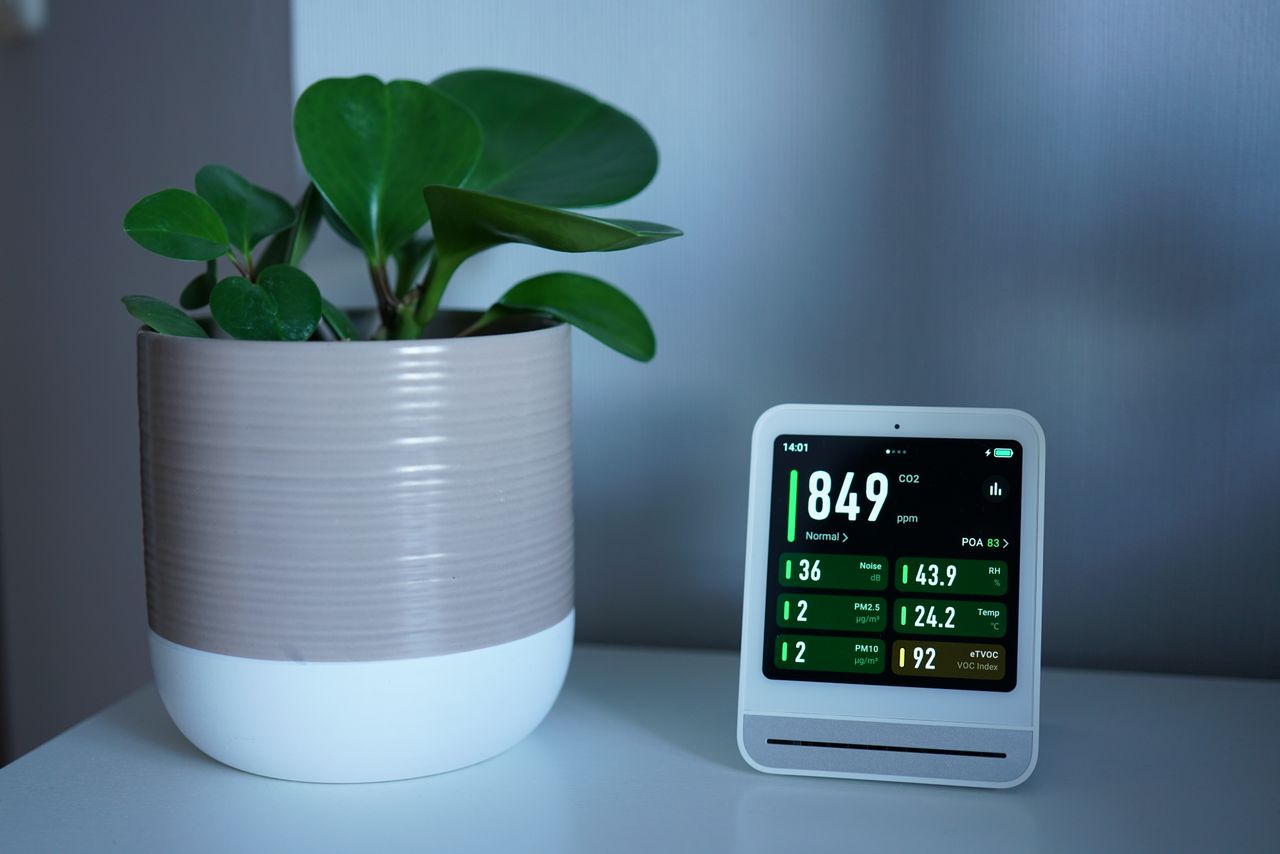
The air inside a home may look perfectly clean, but that does not always mean it is. From cooking fumes and cleaning products to excess humidity and outdoor pollutants, several factors can affect indoor air quality without leaving obvious signs. So, are home air quality sensors worth buying? For many homeowners, the answer is yes—with a few important considerations.
What Do Home Air Quality Sensors Actually Measure?
Not all air quality monitors measure the same things. Some track fine particulate matter (PM2.5), which can come from smoke, cooking, and outdoor pollution. Others measure carbon dioxide (CO₂), volatile organic compounds (VOCs), temperature, or relative humidity.
Certain devices combine several features, giving homeowners a clearer picture of their indoor environment.
One important distinction: an air quality monitor is not a substitute for a smoke alarm or carbon monoxide detector. These safety devices serve specific purposes and should always be installed where required.
Why Might a Homeowner Want One?
Think about a home that feels stuffy even when the air conditioning is running. Or a room where humidity stays high long after a shower. A quality monitor can help identify patterns that might otherwise go unnoticed.
In Cypress, Texas, where hot, humid weather puts air conditioning systems to work for much of the year, monitoring indoor humidity can be particularly useful. Persistently high humidity may encourage mold growth, especially in areas with poor ventilation, plumbing leaks, or inadequate moisture control.
Air quality sensors can also help homeowners evaluate whether everyday activities, such as frying food or using strong cleaning products, cause noticeable changes in indoor air conditions.
What Are the Limitations?
Here is where expectations matter. Consumer-grade monitors vary in accuracy, and readings depend on the sensor type, placement, calibration, and maintenance.
A low-cost device may not measure every pollutant, and a normal reading does not guarantee that a home is free of harmful contaminants.
Most importantly, an air quality sensor cannot diagnose the cause of a problem. It will not reliably identify hidden mold, locate a water leak, or confirm that a home is free of hazardous gases.
How to Get the Most Value From Your Investment
Before purchasing a monitor, consider these practical tips:
- Choose the right measurements: Look for features that address your concerns, such as PM2.5 or humidity.
- Place it thoughtfully: Keep it away from direct sunlight, supply vents, and areas where readings may be distorted.
- Watch trends, not just spikes: Compare readings over time and note what activities coincide with changes.
- Address the source: Improve ventilation when appropriate, control moisture, and maintain HVAC equipment and filters according to manufacturer recommendations.
The Final Verdict
For homeowners who want better insight into their indoor environment, an air quality sensor can be a worthwhile investment. It provides useful information, helps reveal patterns, and can encourage healthier home maintenance habits.
However, it works best as an early-warning and monitoring tool—not a replacement for a professional home inspection, proper moisture control, or targeted indoor air quality testing when concerns arise.
The bottom line: Knowing what is in the air is helpful. Knowing what to do about it is what makes that information valuable.
Recent Comments