
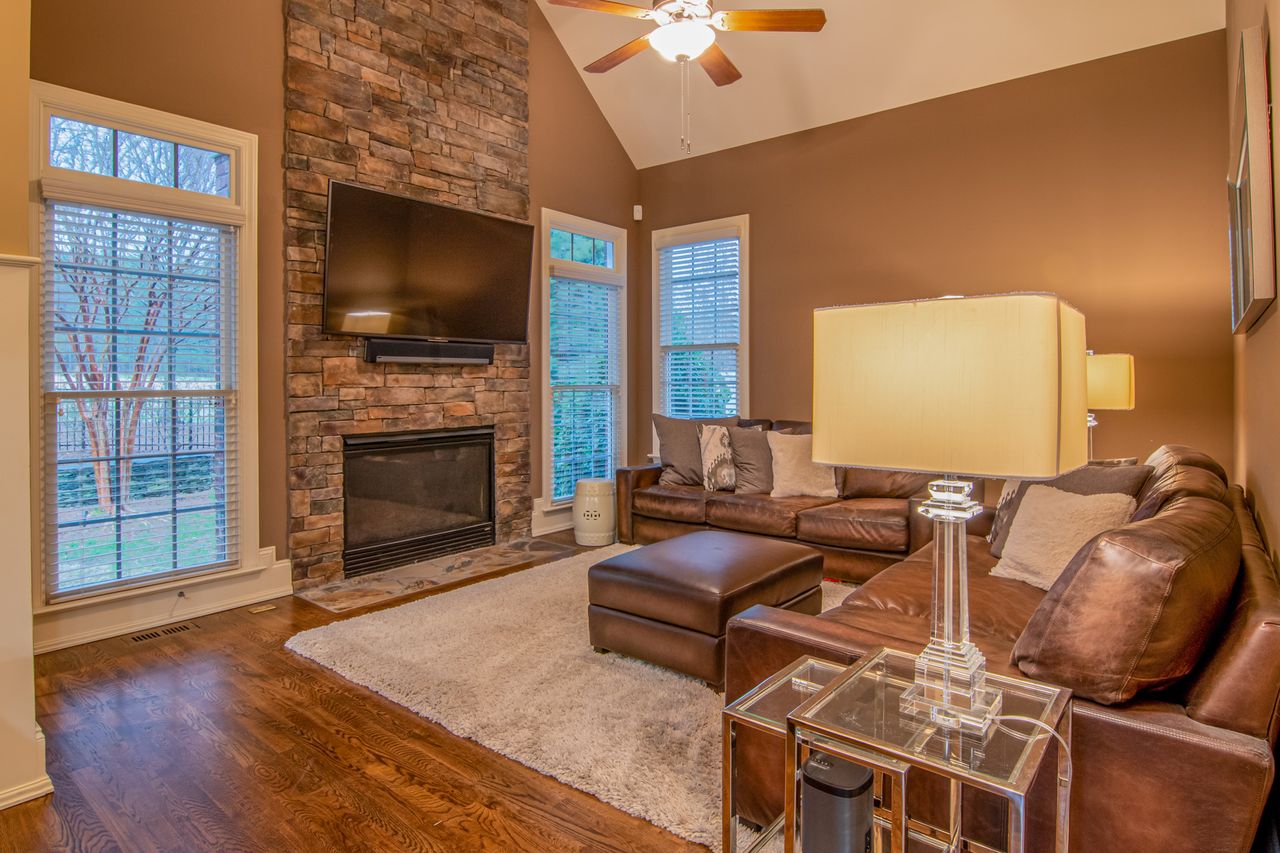
Manufactured stone has become a popular way to add character, texture, and a touch of elegance to a home’s exterior. From welcoming front porches to dramatic accent walls, it offers the timeless appearance of natural stone without the weight or expense of a traditional stone installation. But is it all looks, or does it hold up to the demands of Texas weather?
Let’s take a closer look at where manufactured stone works, what makes it appealing, and what homeowners should know before adding it to their property.
Where Can You Use Manufactured Stone?
Manufactured stone veneer is made from cement, aggregates, pigments, and other materials molded to resemble natural stone. It can be used in several areas around a home, including:
- Exterior facades: Adds texture and visual interest to front elevations, entryways, and garage surrounds.
- Fireplace surrounds: Creates a warm, rustic, or contemporary focal point indoors.
- Outdoor kitchens: Gives cooking and entertaining areas a finished, upscale appearance.
- Interior accent walls: Adds dimension to living rooms, dining areas, and other spaces.
- Columns and landscaping features: Enhances porches, retaining walls, and outdoor living spaces when properly installed for the application.
The Benefits: Why Homeowners Love It
One of the biggest advantages is appearance. Manufactured stone offers a wide variety of colors, shapes, and textures, making it easier to complement nearly any architectural style.
Other benefits include:
- Lower cost: Generally less expensive than comparable natural stone installations.
- Lighter weight: Often requires less structural support than full-depth natural stone.
- Design flexibility: Available in numerous styles, from rugged limestone to traditional fieldstone.
- Durability: Quality products can withstand normal exposure when installed according to manufacturer specifications.
- Added curb appeal: Can give an otherwise ordinary exterior a more distinctive, finished look.
The Drawbacks: What Should Homeowners Watch For?
Here’s where appearances can be deceiving. Manufactured stone is durable, but it is not maintenance-free or automatically waterproof.
Improper installation is one of the biggest concerns. Poor flashing, inadequate drainage, missing moisture barriers, and improperly detailed openings can allow water to become trapped behind the veneer. Over time, that moisture can contribute to wood rot, corrosion, and deterioration of surrounding building materials.
In the Cypress, Texas area, heavy rainfall, humidity, and intense summer heat make moisture management particularly important.
Other considerations include:
- Moisture intrusion: Poor drainage details can lead to costly concealed damage.
- Repairs: Matching discontinued colors and textures can be difficult.
- Maintenance: Mortar joints and surrounding sealants may require periodic attention.
- Installation costs: Specialized labor and proper moisture-management details can increase the overall project price.
The Home Inspector’s Takeaway
Manufactured stone can be an excellent investment in appearance and functionality when installed correctly. However, the quality of the installation matters just as much as the quality of the product.
Before purchasing a home with manufactured stone, or adding it to your existing property, pay attention to flashing, drainage, clearances, and signs of moisture intrusion. Look for staining, loose sections, cracked mortar, and deteriorated materials around windows and doors.
Bottom line: Manufactured stone can make a home stand out for all the right reasons. Just remember that a beautiful exterior should do more than look good. It should also protect what’s underneath.
Recent Comments