
Understanding the Appeal of Laminate Flooring
Flooring is one of the most noticeable features in any home, influencing both appearance and everyday comfort. Among the many options available, laminate flooring continues to attract homeowners looking for a balance between style, affordability, and durability. Thanks to advances in manufacturing, today’s laminate products closely resemble hardwood, stone, and tile while requiring far less maintenance.
Before making a decision, it helps to understand where laminate performs well—and where it may not be the best fit.
What Exactly Is Laminate Flooring?
Laminate flooring is made from several compressed layers. The top layer is a durable wear surface that protects against scratches, stains, and fading, while the decorative layer beneath creates the realistic appearance of wood or stone. A high-density core provides stability, and the backing layer helps resist everyday moisture from below.
Unlike solid hardwood, laminate cannot be sanded and refinished, but its protective surface allows it to withstand years of normal household use when properly maintained.
The Benefits Worth Considering
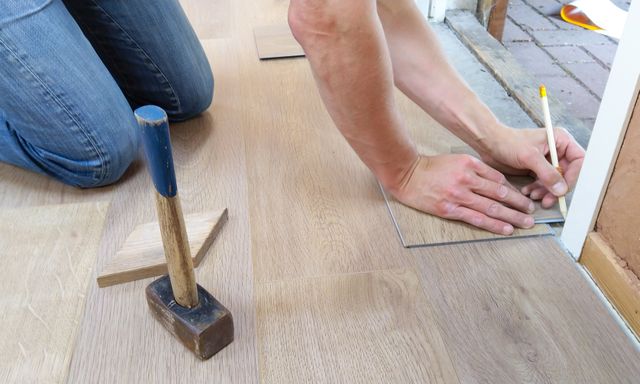
One of laminate’s greatest strengths is its value. Homeowners can achieve the appearance of premium flooring materials without the premium price tag. Installation is often quicker as well, with many products featuring click-lock systems that reduce labor time.
Additional advantages include:
- Excellent resistance to scratches from pets and everyday foot traffic.
- Very low maintenance with regular sweeping and occasional damp mopping.
- Good resistance to fading in bright, sunlit rooms.
- A wide selection of colors, textures, and plank sizes to complement nearly any design style.
For busy households, these qualities make laminate an attractive and practical flooring solution.
Where Laminate Has Its Limits
While laminate is durable, it is not completely waterproof unless specifically manufactured for that purpose. Standing water can damage the core, leading to swelling or warped planks. Kitchens may perform well with prompt cleanup of spills, but bathrooms, laundry rooms, and areas prone to frequent moisture often benefit from more water-resistant flooring materials.
Quality also matters. Lower-grade laminate may wear more quickly, sound hollow underfoot, or show damage sooner than higher-quality products installed over a properly prepared subfloor.
Installation and Long-Term Performance
Even premium flooring can disappoint if installed incorrectly. An uneven subfloor, poor expansion spacing, or inadequate underlayment may result in movement, gaps, or premature wear over time.
Proper acclimation before installation and following the manufacturer’s recommendations are important steps that contribute to long-lasting performance.
Is Laminate the Right Choice?
For many homes, laminate flooring offers an impressive combination of appearance, durability, and affordability. It performs especially well in living rooms, bedrooms, hallways, and home offices where moisture exposure is limited.
Choosing a reputable product, ensuring professional installation, and using the flooring in appropriate locations can provide years of dependable service. By weighing the advantages alongside its limitations, homeowners can make a confident decision that fits both their lifestyle and budget while enhancing the overall value and appeal of their home.
Recent Comments