
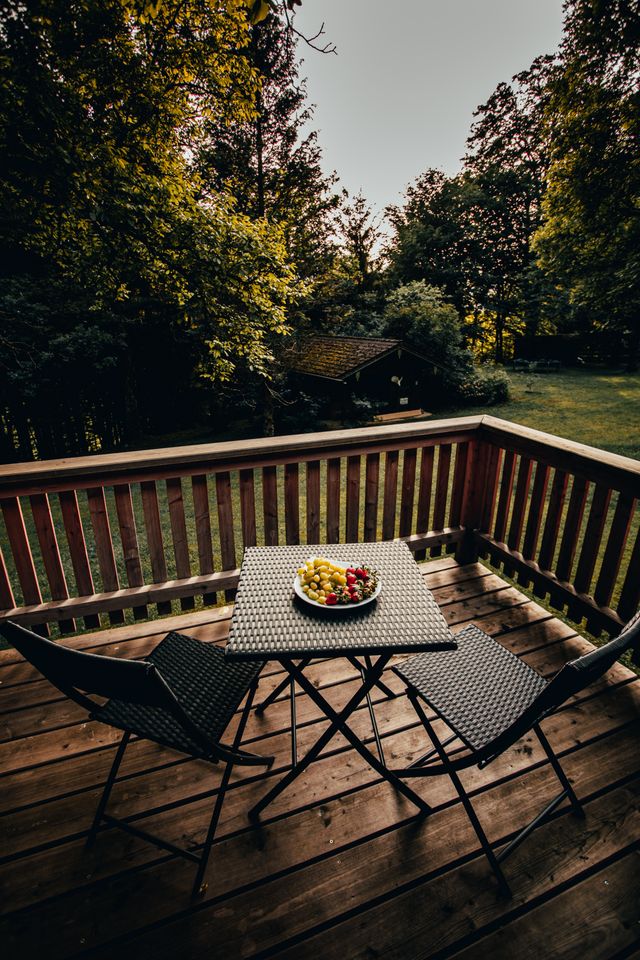
 A backyard deck is one of the hardest-working parts of a home. It hosts family cookouts, weekend gatherings, and quiet evenings outdoors. But constant exposure to sun, rain, humidity, and changing temperatures can slowly weaken even a well-built deck. The good news is that homeowners can perform a simple visual inspection a few times each year to catch common issues before they become expensive—or dangerous.
Start with the Overall Structure
Stand back and take a look at the deck as a whole. Does it appear level, or is there noticeable sagging or leaning? Uneven areas can be an early sign that structural components underneath may need attention. If something looks out of place, it’s worth taking a closer look rather than assuming it’s normal settling.
Check the Deck Boards
Walk across the entire surface and pay attention to how the boards feel underfoot. Soft spots, excessive movement, or noticeable bouncing can indicate deterioration or loose fasteners. Look for cracked, split, warped, or rotting boards, especially in shaded areas where moisture tends to linger longer.
While a few weathered boards are common with age, widespread damage should never be ignored.
Inspect the Railings and Stairs
Railings should feel solid with little to no movement when gently pushed. Loose railings are a common safety concern and can become hazardous if someone leans against them.
Next, inspect the stairs. Make sure each step is firmly attached and free from rot or significant cracking. Handrails should also be secure from top to bottom.
Look Underneath the Deck
If the underside is accessible, spend a few minutes checking the framing. Look for cracked beams, damaged posts, signs of wood rot, or loose metal connectors. Fasteners should not be heavily rusted or pulling away from the wood.
Pay close attention to the area where the deck connects to the house. This connection, known as the ledger board, is one of the most critical structural components. Any gaps, loose hardware, or signs of water damage deserve immediate attention.
Watch for Moisture and Insect Damage
Wood that stays damp for long periods is more susceptible to decay. Keep an eye out for discoloration, fungal growth, or areas that remain wet after rain. Small holes, tunnels, or piles of sawdust-like material may also indicate insect activity that could compromise structural integrity over time.
Know When It’s Time to Call a Professional
A homeowner’s inspection is a great first step, but it has its limits. If you notice significant movement, widespread rot, loose structural connections, failing support posts, or major cracks, it’s time to bring in a qualified professional for a thorough evaluation. The same applies if your deck is older and has not been inspected in many years.
A Few Minutes Can Make a Big Difference
Regular deck inspections don’t require specialized tools or advanced knowledge. A careful walk-through every spring and fall can help identify developing issues before they become costly repairs or serious safety hazards. Keeping your deck in good condition not only protects your investment but also helps ensure that family and guests can enjoy it safely for years to come.
Recent Comments