
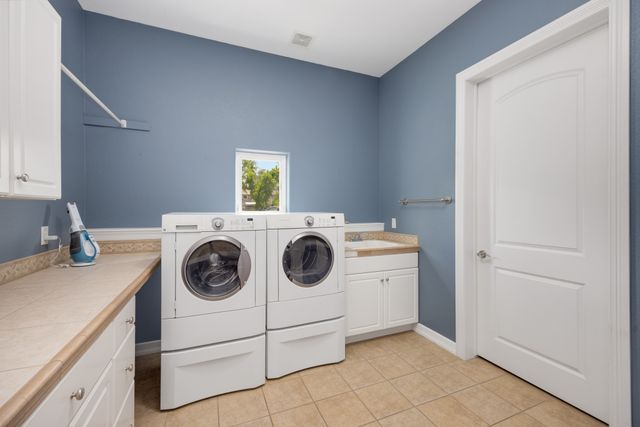
The laundry room is one of the hardest-working spaces in any home, yet it is often overlooked when it comes to fire safety. Between heat-producing appliances, electrical connections, and highly flammable lint, this small area can present significant fire risks if not properly maintained. Fortunately, a few practical habits and routine checks can go a long way toward keeping the laundry room safe.
Why Laundry Rooms Are Vulnerable
Many laundry room fires start with a combination of heat, restricted airflow, and combustible materials. Dryers generate high temperatures during normal operation, and when lint accumulates in vents or inside the appliance, it can ignite surprisingly quickly. Electrical faults, damaged cords, and overloaded circuits can also increase the likelihood of a fire.
Understanding these common hazards is the first step toward prevention.
Keep Dryer Vents Clean and Clear
One of the most effective fire prevention measures is regular dryer vent maintenance. Lint is highly combustible, and even a thin buildup can restrict airflow, forcing the dryer to work harder and run hotter.
Clean the lint screen after every load and periodically inspect the vent hose and exterior vent termination. If clothes seem to take longer to dry than usual, it may be a warning sign that the vent system needs attention.
Professional vent cleaning may be worthwhile for longer duct runs or homes where the dryer sees frequent use.
Inspect Electrical Components Regularly
Laundry appliances draw a considerable amount of power. Over time, electrical connections can loosen, cords can become damaged, and outlets may show signs of wear.
Look for:
- Frayed or cracked power cords
- Discolored outlets or plugs
- Burning odors during operation
- Flickering lights when appliances are running
Any of these conditions should be evaluated promptly to reduce the risk of overheating or electrical failure.
Avoid Storing Combustibles Nearby
Laundry rooms often become convenient storage spaces, but certain items should be kept away from heat-producing appliances.
Avoid storing:
- Paint products
- Cleaning solvents
- Gasoline containers
- Paper products and cardboard boxes
- Excessive amounts of clothing or linens
Maintaining adequate clearance around appliances improves both safety and airflow.
Use Appliances as Intended
Manufacturers design washers and dryers with specific operating guidelines for a reason. Overloading a dryer can restrict airflow and place additional strain on components. Similarly, running appliances with damaged parts or bypassing safety features can create unnecessary hazards.
If unusual noises, excessive heat, or repeated shutdowns occur, address the issue before continuing regular use.
Install Smoke Detection Nearby
Early detection can significantly reduce damage and improve safety during an emergency. Ensure smoke alarms are installed according to manufacturer recommendations and tested regularly. Replace batteries as needed and follow replacement schedules for aging units.
A fire extinguisher rated for household use can also provide an added layer of protection when located in an accessible area near, but not directly beside, the laundry appliances.
A Small Investment in Safety
Laundry room fires are often preventable. Regular maintenance, proper storage practices, and routine inspections can dramatically reduce risk while helping appliances operate more efficiently. By paying attention to this often-overlooked space, homeowners can protect their property, extend appliance life, and enjoy greater peace of mind every day.
Recent Comments